How to Become a Handyman in the UK
If you're good with your hands and like the idea of being your own boss, handyman work can be a flexible way to earn. There's no single qualification you need to start, but there are some things you should sort out properly. This guide covers how to become a handyman in the UK: the skills that are in demand, the jobs you shouldn't take on without specific qualifications, insurance, registering with HMRC, and finding your first customers.
How to become a handyman: do you need qualifications?
For general handyman work in the UK there's no licence or mandatory qualification. Furniture assembly, putting up shelves, hanging pictures, fixing doors and small repairs don't require a certificate. Many people come into the work from a trade, from DIY experience, or after a career change.
That said, a short course in basic carpentry, tiling or general maintenance from a local college can build your confidence and give customers reassurance.
Know which jobs need a qualified tradesperson
This is the most important part. Some work is regulated, and doing it without the right registration can be dangerous and illegal:
- Gas. Anyone working on gas appliances, boilers or pipework must be on the Gas Safe Register. No exceptions.
- Electrical work. Much electrical work in homes is covered by the Building Regulations, and some must be notified or certified. If you're not a qualified electrician, stick to swapping like-for-like fittings only where you're competent, and turn down anything involving new circuits, consumer units or work in bathrooms.
- Structural work, such as removing walls, needs proper advice and often Building Regulations approval.
Customers will respect you more for saying "that needs an electrician" than for having a go.
Skills that are in demand
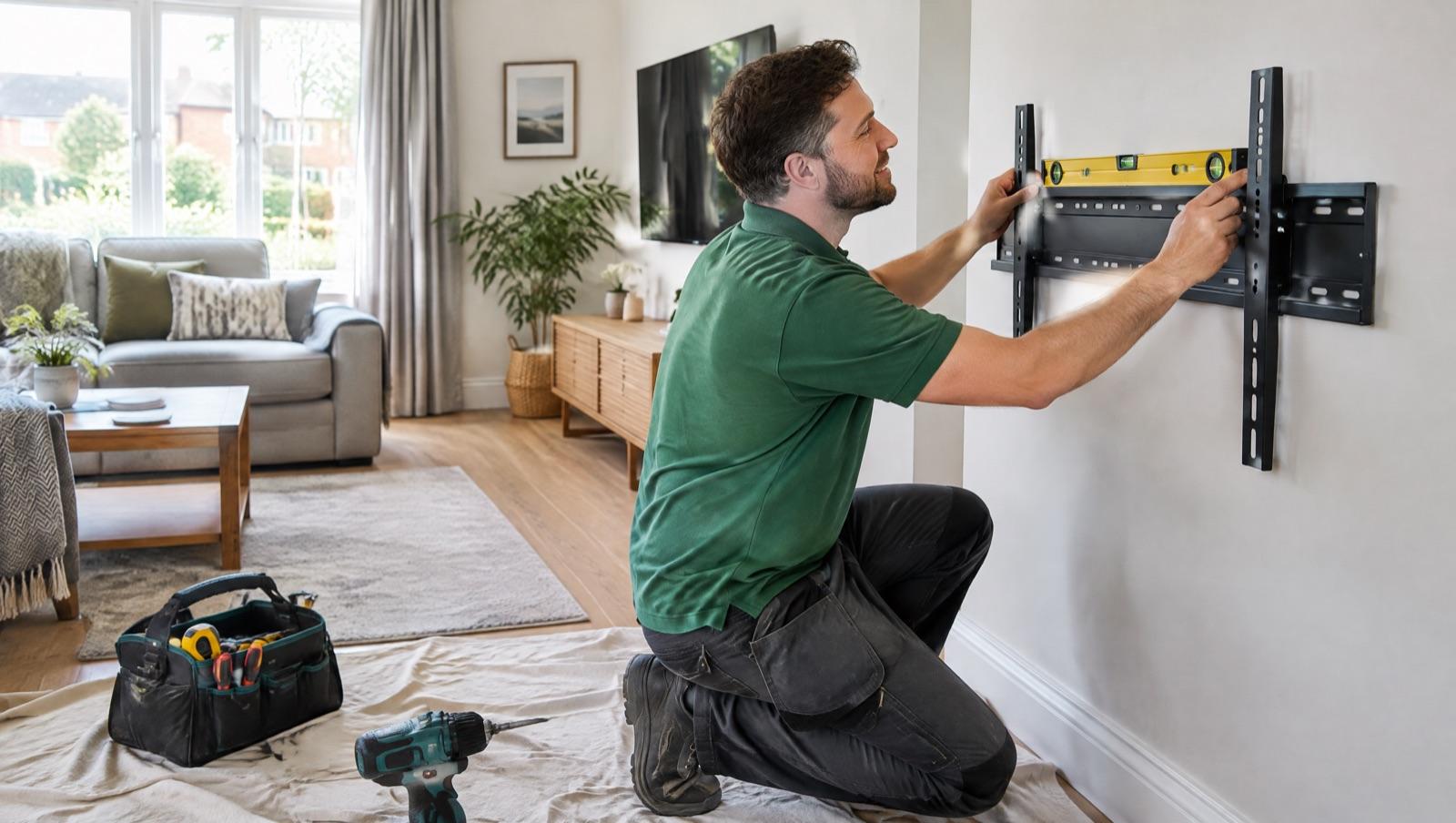
Look at what people actually book. On 100Handy, popular categories include furniture assembly, TV wall mounting and minor home repairs. Being reliable at these core jobs is often worth more than a long list of specialisms.
| Skill | Typical jobs | Useful kit |
|---|---|---|
| Assembly | Flat-pack wardrobes, beds, desks | Drill-driver, bit set, rubber mallet |
| Mounting and fixing | TVs, shelves, mirrors, curtain poles | Detector, spirit level, wall fixings for each wall type |
| Small repairs | Sticking doors, loose handles, sealant, filling | Plane, sealant gun, filler, sanding block |
| Basic plumbing | Dripping taps, toilet cisterns, radiator bleeding | Adjustable spanners, PTFE tape, washers |
Build trust from the first job
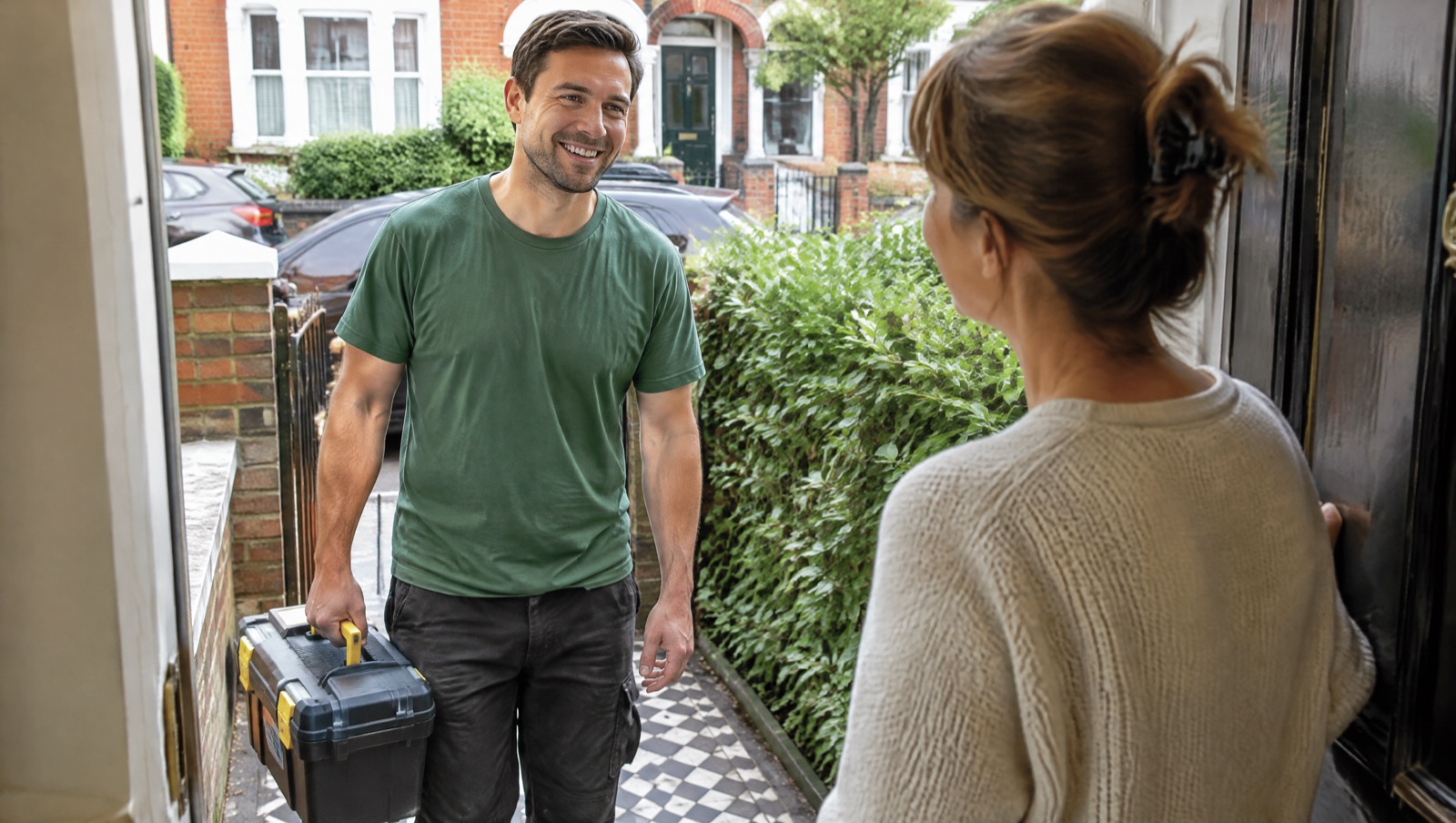
People are letting you into their homes, so the small things matter:
- Turn up when you say you will, and message if you're running late.
- Agree the job and price clearly before you start, and flag anything extra before you do it.
- Protect floors and furniture with dust sheets, and tidy up properly.
- Be honest about what's outside your skills.
- Consider a basic DBS check. You can request a basic DBS check on GOV.UK, and some customers find it reassuring.
Insurance
Public liability insurance isn't a legal requirement for sole traders, but it's strongly recommended. It covers you if you accidentally damage a customer's property or someone is injured because of your work. Many customers and platforms expect it. You may also want to insure your tools and van. Shop around, and make sure the policy covers the kinds of jobs you actually do.
Registering as self-employed
Most handymen start as sole traders. The basics, from GOV.UK:
- Register with HMRC. You can set up as a sole trader on GOV.UK for free. You'll then file a Self Assessment tax return each year.
- The trading allowance. If your total self-employed income is £1,000 or less in a tax year, you may not need to tell HMRC. See GOV.UK's guidance on the trading allowance.
- Making Tax Digital. Sole traders above certain income thresholds now need to keep digital records and send quarterly updates. GOV.UK explains who needs to use Making Tax Digital for Income Tax and when.
Keep receipts for tools, materials and travel from day one. An accountant can be worth it once you're busy.
Finding your first customers
- Start local. Friends, neighbours and community groups are often where the first jobs come from.
- Get reviews early. Ask happy customers to leave honest feedback.
- Take before-and-after photos (with permission) to build a simple portfolio.
- Join a platform. Platforms put you in front of people already looking to book.
Earning as a 100Handy Pro
On 100Handy you set your own hourly rate, choose your availability and work area, and accept the jobs that suit you. We connect you with customers across Greater London who are looking to book help, and handle invoicing so you get paid securely. You'll complete identity checks and any requirements for the categories you offer.
Thinking about pricing? Our guide to how to price handyman jobs is coming next week. Meanwhile, see what customers ask about in how much it costs to mount a TV.
Ready to start? Apply to become a 100Handy Pro. It only takes a few minutes to create your profile.
Need a hand with this?
Book a trusted 100 Handy Pro and get it done today — no hassle, no guesswork.
Book a Pro