
How to Stop Pipes From Freezing (and What to Do If They Do)
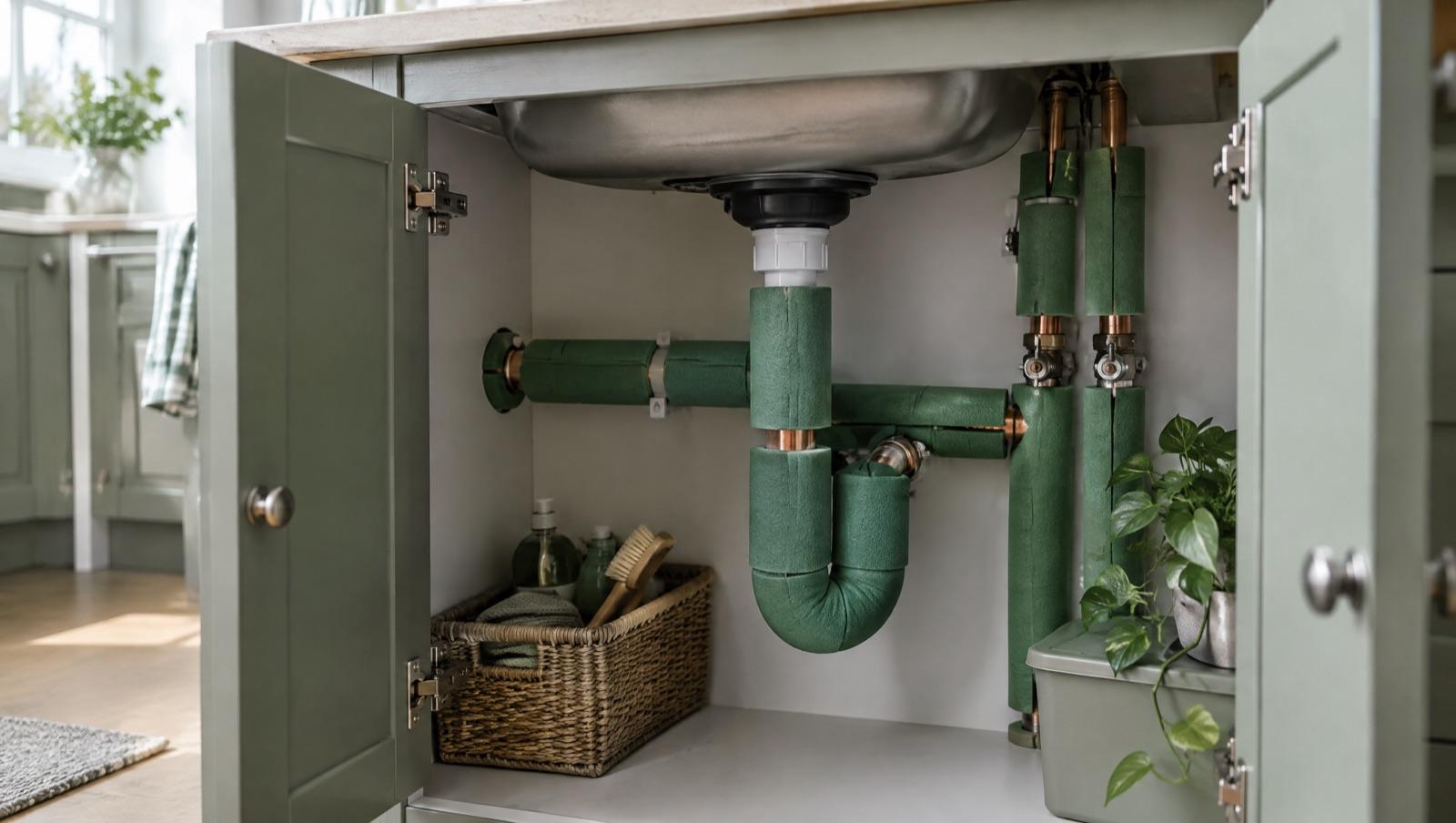
A cold snap is the last time you want to find out your pipes are vulnerable. The good news is that learning how to stop pipes from freezing is mostly about a few cheap jobs you can do in an afternoon: insulating exposed pipework, keeping a little heat in the house and knowing where your stop tap is. In this guide we walk through the prevention steps, the warning signs, and what to do if the worst happens.
Why pipes freeze and burst
Water expands as it turns to ice. When that happens inside a pipe, pressure builds between the ice plug and a closed tap, and the pipe or a joint can split. Often you won't notice until the ice thaws and water starts escaping, which is why a burst pipe so often shows up as a ceiling stain a day or two after the coldest night.
The pipes most at risk are the ones in unheated spaces: lofts, garages, under-floor voids, outside walls, airing cupboards on external walls and, of course, outdoor taps.
How to stop pipes from freezing: a winter checklist
Work through this list before the first hard frost. Most of it costs very little.
| Job | Where | Why it helps |
|---|---|---|
| Fit foam pipe lagging | Loft, garage, under-floor, under sinks on outside walls | Slows heat loss so water takes much longer to freeze |
| Insulate the cold water tank | Loft | Tanks in unheated lofts are a common freezing point |
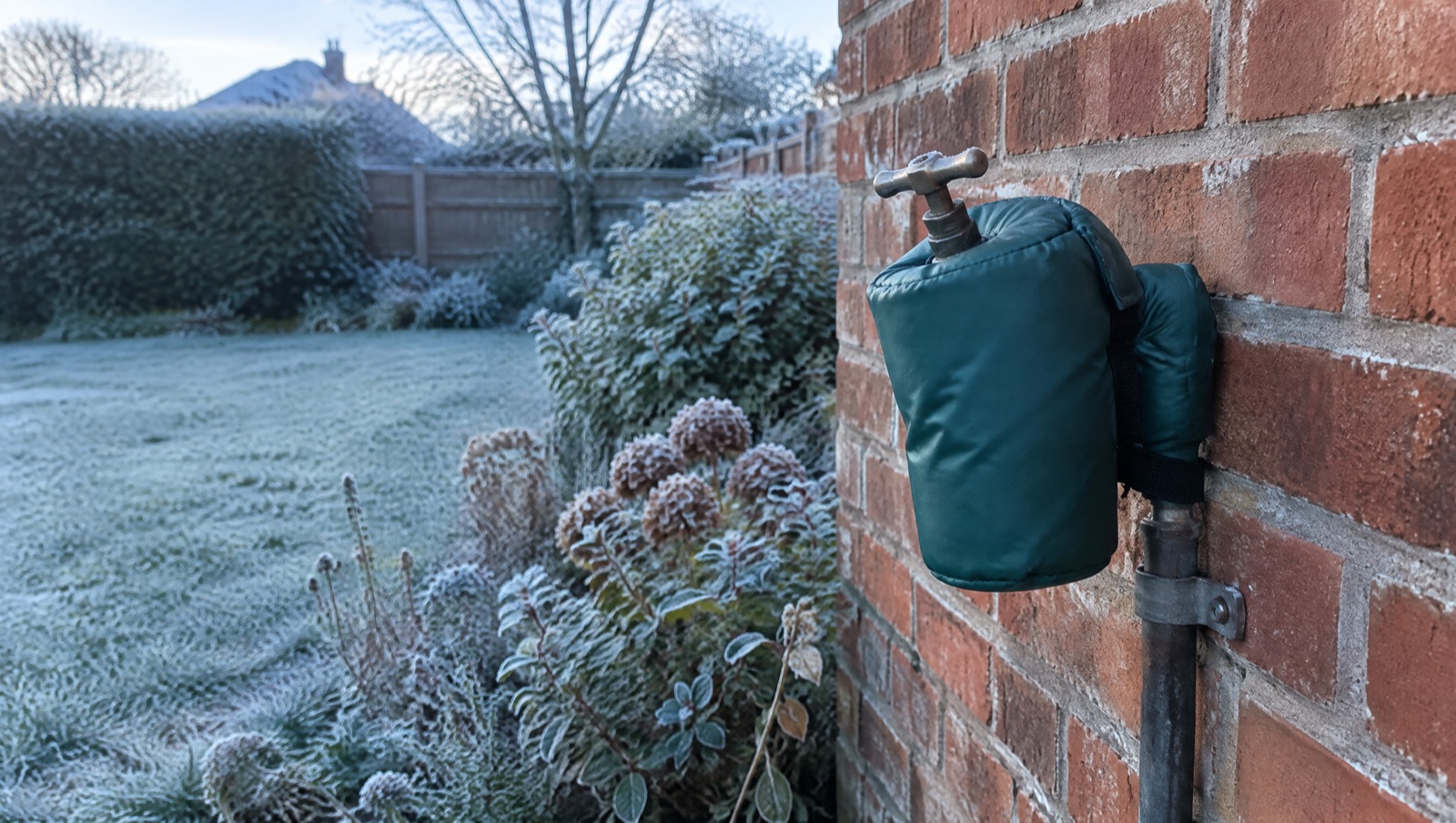
| Cover or isolate outdoor taps | Garden walls | Outside taps are the most exposed pipework in most homes |
| Seal draughts near pipes | Gaps around pipe entry points and air bricks next to pipework | Stops icy air blowing directly onto pipes |
| Find and test your stop tap | Usually under the kitchen sink | You can shut the water off in seconds if a pipe bursts |
| Fix dripping taps | Kitchen and bathroom | A slow drip can freeze in the waste pipe and cause blockages |
Keep a little heat in the house
If you're going away over winter, don't switch the heating off completely. Most modern boilers and thermostats have a frost setting, or you can set a low background temperature so the house never gets cold enough for pipes to freeze. Leaving loft hatch and cupboard doors open for a while on very cold nights lets warmer air reach pipework too.
If you'll be away for a long time, some people choose to turn off the water at the stop tap and drain the system down. If you're not sure how to do that safely on your system, ask a plumber.
Outdoor taps
Outside taps freeze first. If yours has an isolating valve on the pipe indoors, turn it off, then open the outside tap to let the water drain out and leave it open. If there's no isolating valve, an insulated tap cover is the next best thing. Disconnect hoses too, as water trapped in a hose connector can freeze back into the tap.
Signs a pipe has frozen
- You turn on a tap and get nothing, or just a trickle.
- A toilet won't refill after flushing.
- Your condensing boiler shows a fault on a freezing morning. The condensate pipe that runs outside may have frozen.
- You can see frost on an exposed pipe, or it feels much colder than the pipes around it.
What to do if a pipe freezes
Turn the water off at the stop tap first. That way, if the pipe has split, it won't flood when it thaws. Then open the tap that pipe feeds so melting water has somewhere to go.
Thaw the pipe gently, starting from the end nearest the tap and working back:
- Wrap it in a towel soaked in warm (not boiling) water, or hold a hot water bottle against it.
- A hairdryer on a low setting works too. Keep it moving, and keep it and the cable well away from any water.
Never use a blowtorch, heat gun or any naked flame. It can damage the pipe and joints and is a serious fire risk, especially in lofts.
A frozen condensate pipe on a boiler can often be thawed by pouring warm (not boiling) water along the outside section. Your boiler manual will explain how to reset it afterwards. Don't open the boiler casing. Anything inside the boiler is a job for a Gas Safe registered engineer.
What to do if a pipe bursts
- Turn off the water at the stop tap straight away.
- Switch off electrics at the consumer unit if water is anywhere near sockets, light fittings or appliances. Don't touch the consumer unit if it's wet. Call an electrician.
- Open all cold taps to drain the system and reduce the amount of water escaping.
- Catch what you can with buckets and towels, and move valuables out of the way.
- Take photos for your insurer before anything is repaired, and tell your landlord straight away if you rent.
- Call a plumber to repair the pipe properly.
When to get help
Lagging pipes and covering an outside tap are easy DIY jobs. If your loft is awkward to get into, your stop tap is seized, or you've spotted a weeping joint, it's worth getting someone in before the weather turns. Read our guide to the signs you need a plumber, and if you're not sure who to hire, see how to choose the right handyman.
Want it sorted before the frost? Book a local pro for plumbing and leak fixing on 100Handy and get your pipes ready for winter.
Need a hand with this?
Book a trusted 100 Handy Pro and get it done today — no hassle, no guesswork.
Book a Pro
