Black Mould on Walls: How to Remove It and Keep It Away
Black mould on walls is unsightly, it smells musty, and it can affect your health. It usually appears in corners, around windows, behind furniture and in bathrooms, anywhere moisture settles and air doesn't move. Small patches can often be cleaned safely yourself, but unless you deal with the cause it will keep coming back. Here's how to remove it, how to prevent it, and when you need more help.
What causes black mould on walls?
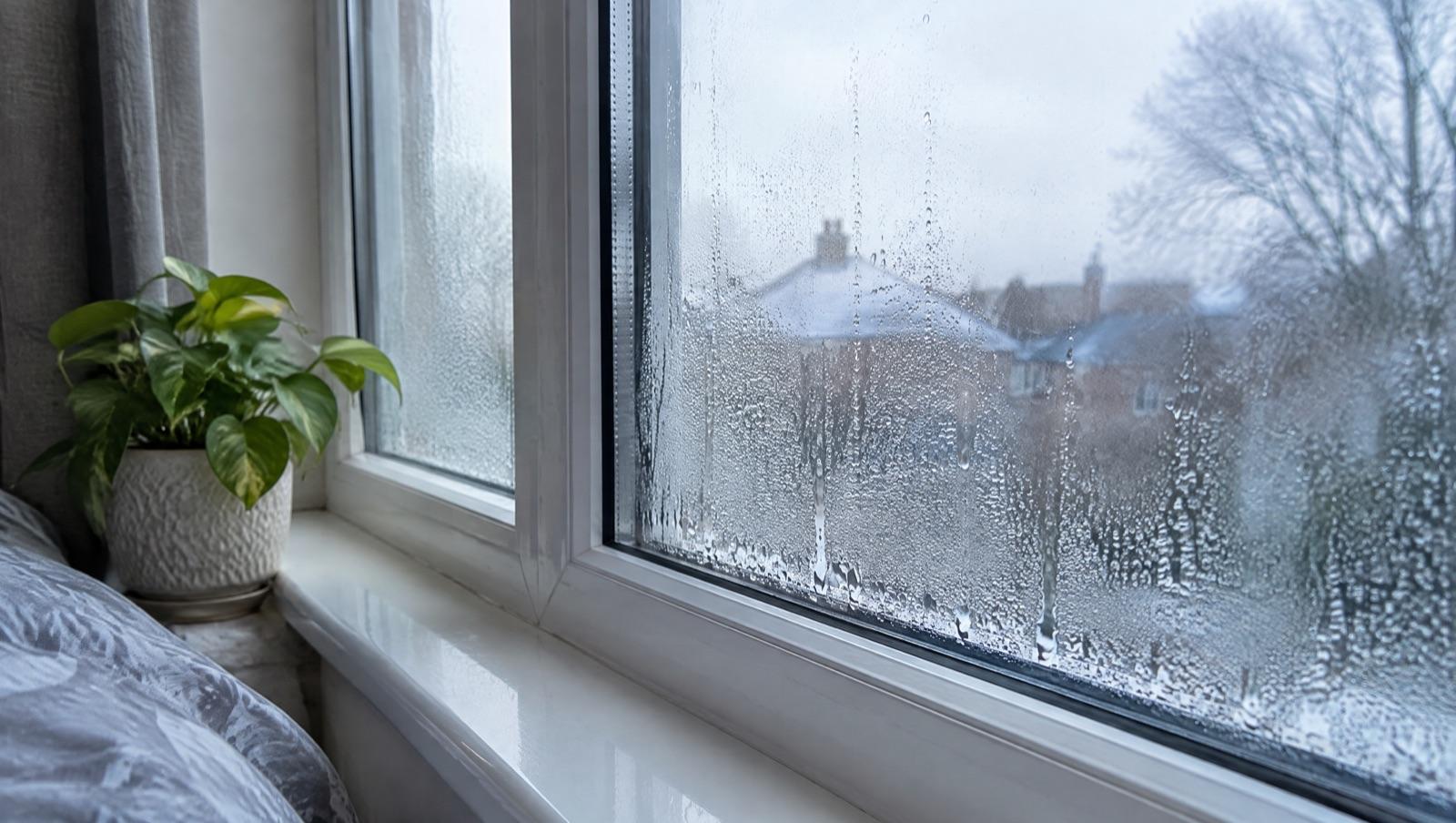
Mould needs moisture. In most homes that moisture comes from condensation: warm, damp air from cooking, showers and drying clothes settling on cold walls. It can also come from leaks, rising damp or rain getting in through the walls or roof.
If you see mould mainly in cold corners, around windows and in bathrooms, condensation is the likely cause. Our guide to condensation on windows in winter explains how to reduce it. If there's a damp patch that keeps growing, stays wet in dry weather, or has a tide mark, there may be a leak or structural damp that needs fixing first.
Is black mould harmful?
Damp and mould can affect anyone's health, but the risks are higher for babies and young children, older people, people with asthma, allergies or other breathing problems, and people with weakened immune systems. The UK government's guidance on the health risks of damp and mould sets this out in detail. If you're worried about symptoms, speak to your GP or pharmacist.
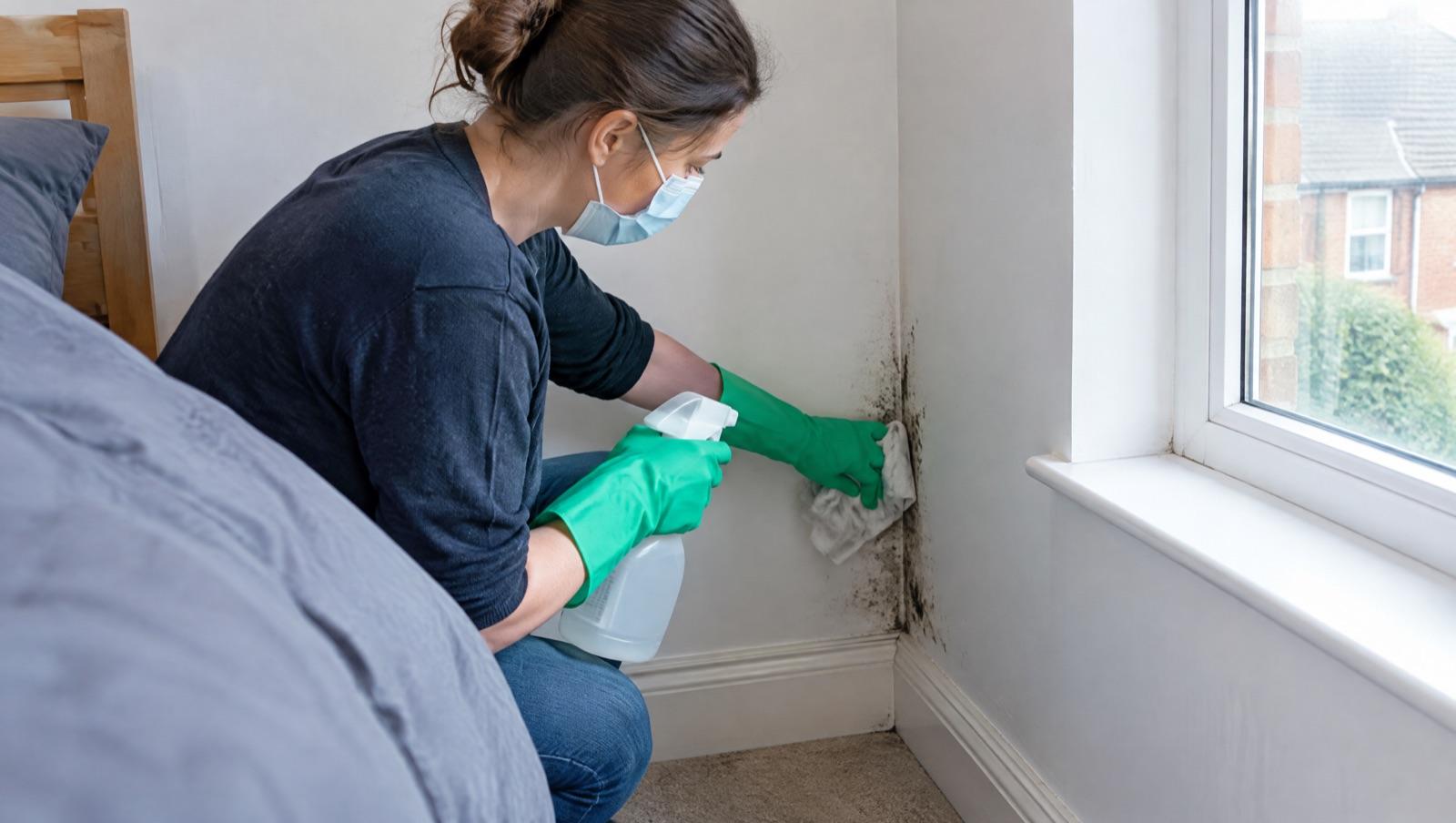
How to clean small patches of mould safely
This applies to small areas of surface mould caused by condensation. For larger areas, mould caused by sewage or flood water, or if anyone in the home is in a higher-risk group, get professional help rather than doing it yourself.
What you need
- Rubber gloves, goggles and a face mask
- A mould remover spray suitable for the surface, or a bucket of warm water and washing-up liquid
- Cloths you can throw away afterwards
- A plastic bag for the used cloths
Step by step
- Open the windows and close the door to the rest of the house.
- Protect yourself: gloves, goggles and a mask on.
- Follow the product instructions if using a mould remover. Never mix cleaning products, especially bleach with other chemicals, as this can create toxic fumes.
- Wipe gently with a damp cloth. Don't brush it dry, as that releases spores into the air.
- Dry the area with a clean cloth.
- Bag up the cloths and throw them away.
- Clean the room afterwards: vacuum and wipe surfaces to pick up any spores.
Mould on bathroom sealant
Black spots on silicone around baths and showers are common. Surface marks can sometimes be cleaned, but once mould has grown into the sealant it won't come out. The fix is to cut out the old sealant, clean and dry the joint thoroughly, and apply fresh sealant.
Soft furnishings and clothes with mould on them should be washed at a high temperature if the label allows, or professionally cleaned.
How to stop it coming back
| Do | Why |
|---|---|
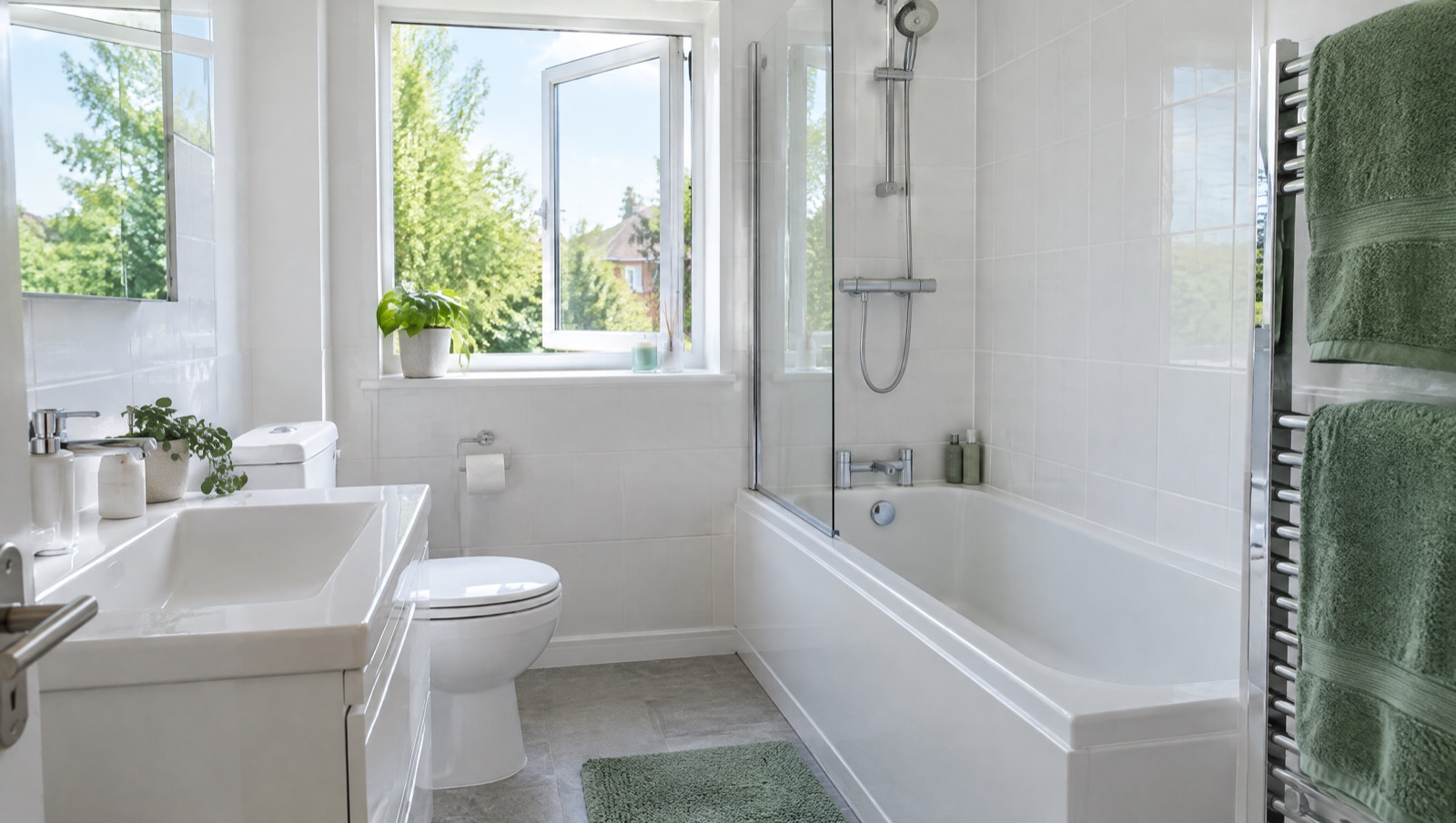
| Run extractor fans when cooking and showering | Removes moist air at the source |
| Wipe condensation off windows and sills each morning | Stops water soaking in |
| Keep trickle vents open | Lets air move without big heat loss |
| Leave gaps behind wardrobes and sofas on outside walls | Air can circulate and walls stay drier |
| Dry washing outside or with ventilation | Indoor drying adds a lot of moisture |
| Heat rooms evenly | Warmer walls get less condensation |
| Get leaks fixed quickly | Stops a constant source of damp |
Painting over mould without dealing with the cause rarely lasts. If you do repaint after cleaning, a mould-resistant paint can help, but only alongside the habits above.
If you rent
Report damp and mould to your landlord or letting agent in writing, with photos, as soon as you notice it. Landlords are responsible for repairs to the structure and exterior of the property and for problems caused by disrepair, such as leaks. They must also make sure the home is fit to live in. In England, Shelter explains your rights on damp and mould, including what to do if your landlord doesn't act.
The rules for social housing tightened under Awaab's Law in October 2025. The Renters' Rights Act allows similar requirements to be extended to private renting, but at the time of writing no start date has been confirmed for private tenancies.
When to get professional help
- The mould covers a large area or keeps returning quickly
- There's a leak, rising damp or rain getting in
- Someone in the home is in a higher-risk group
- Extractor fans or vents aren't working
A good clean can make a fresh start much easier. Before you move out of a rented home, see our end-of-tenancy cleaning guide.
Want help getting the place properly clean? Book a deep clean with a local pro on 100Handy. For broken fans or sealant that needs redoing, book minor home repairs.
Need a hand with this?
Book a trusted 100 Handy Pro and get it done today — no hassle, no guesswork.
Book a Pro