Condensation on Windows in Winter: Causes and Fixes
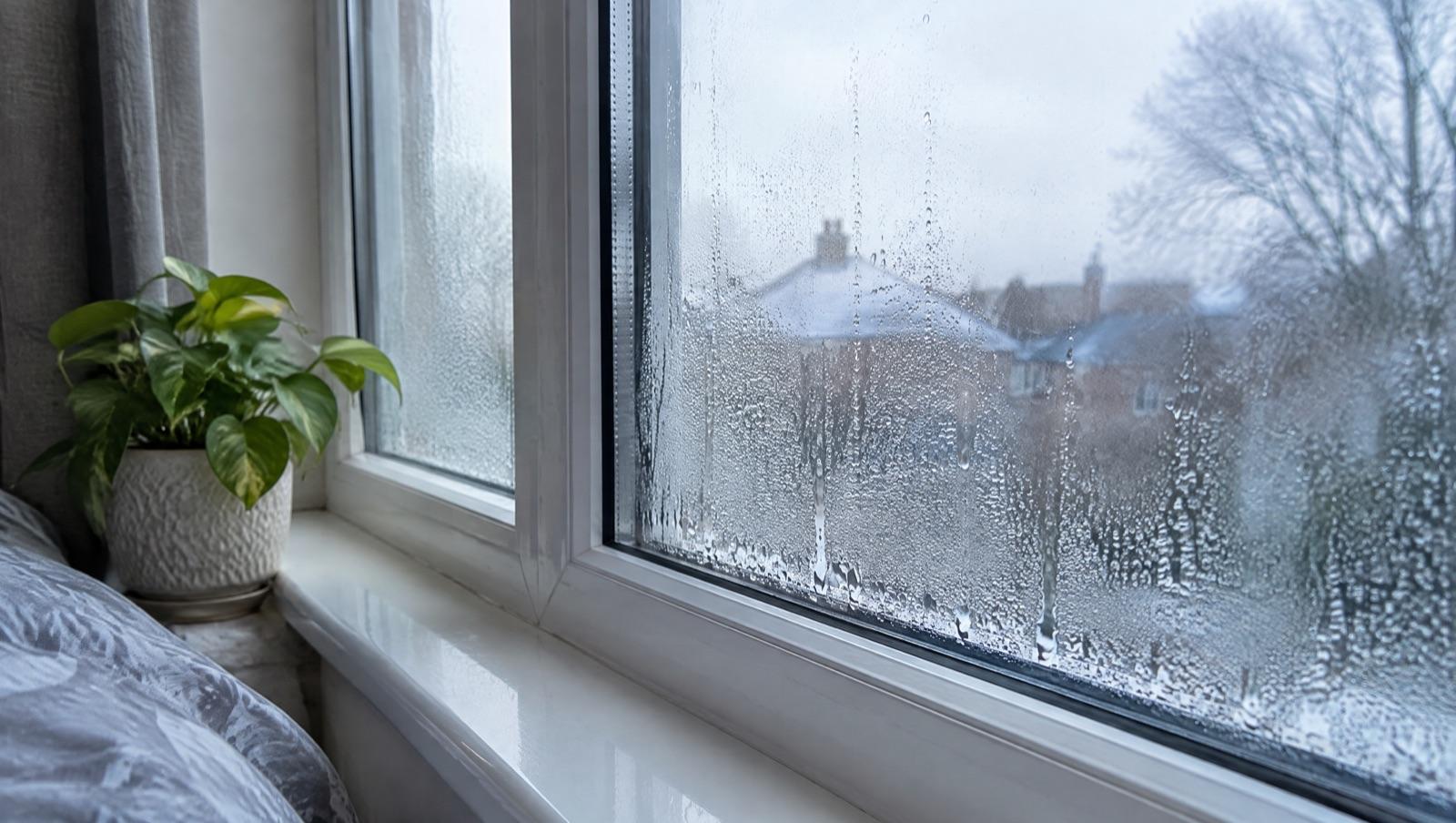
Waking up to windows running with water is a familiar sight in a lot of UK homes. Condensation on windows in winter happens when warm, moist air inside meets cold glass, and it's very common, especially in bedrooms and kitchens. A little on cold mornings is normal. But if it's heavy every day, it can lead to damp, peeling paint and black mould. Here's what causes it and what you can do about it.
Why you get condensation on windows in winter
Air holds moisture as water vapour. Warm air can hold more than cold air. When warm, humid air touches a cold surface like a window pane, it cools down, can't hold as much moisture, and the excess turns into water droplets.
In winter the glass is colder and we keep windows shut, so there's more moisture in the air and colder surfaces for it to settle on. Everyday activities add more moisture than you might think: cooking, showering, boiling the kettle, drying clothes indoors and even breathing overnight.
Daily habits that reduce condensation
| Habit | Why it helps |
|---|---|
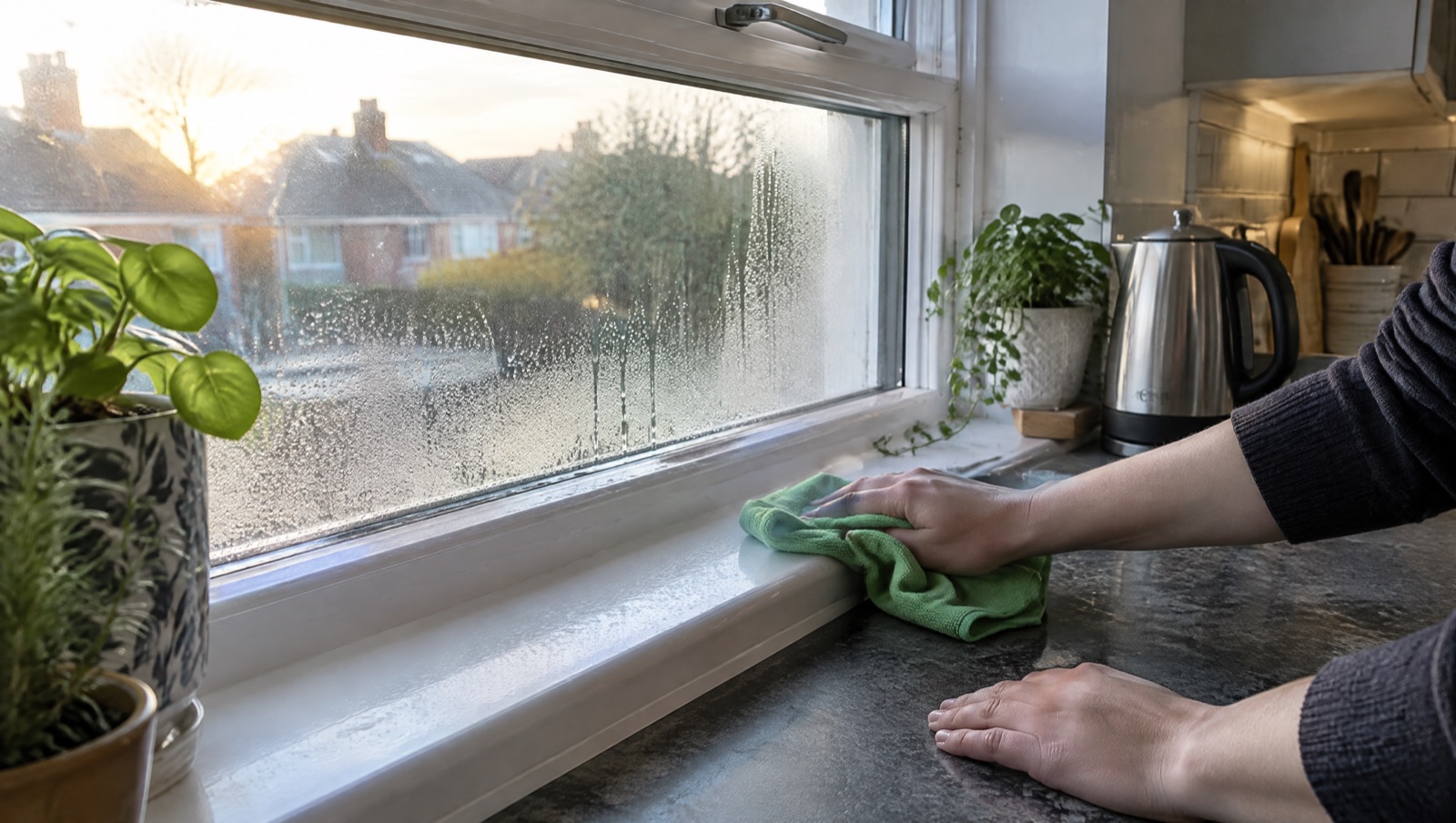
| Wipe windows and sills each morning | Removes standing water before it soaks into frames and walls |
| Use extractor fans while cooking and showering, and for a while after | Takes moist air out at the source |
| Put lids on pans | Less steam in the kitchen |
| Keep trickle vents open | Lets a small, steady flow of air through |
| Open a window briefly after a shower or cooking | Clears humid air quickly |
| Dry clothes outside or in a ventilated room | A load of washing drying indoors releases a lot of moisture |
| Keep the heating at a steady, moderate level | Warmer surfaces attract less condensation |
| Leave a gap between furniture and outside walls | Lets air circulate so damp doesn't build up behind |
The rooms where it happens most
Bedrooms
We breathe out a lot of moisture overnight, and bedroom doors and windows are usually shut. Opening a window or trickle vent for a while in the morning, and leaving the door ajar at night if you can, helps.
Kitchens
Cooking, the kettle and the dishwasher all release steam. Use the cooker hood every time you cook, and make sure it actually vents outside rather than just recirculating.
Bathrooms
Showers and baths produce the most moisture in the shortest time. Keep the door closed and the fan on during and after, so steam goes outside rather than into the rest of the house.
Common myths
"Opening windows in winter just wastes heat"
Leaving a window wide open all day would. But a short burst of fresh air after cooking or showering removes moist air quickly, and drier air is easier to heat.
"New windows caused my condensation"
Replacement windows are more airtight, so moisture that used to escape through gaps now stays inside. The answer is to manage ventilation, for example with trickle vents and extractor fans, not to put up with draughts.
"A bit of bleach fixes it"
Cleaning mould only treats the symptom. Unless you reduce the moisture, it comes back.
Dehumidifiers and other helpers
A dehumidifier can make a real difference in rooms that stay damp, especially if you dry washing indoors. Moisture-absorbing crystal traps can help in small spaces like cupboards, but they won't fix a whole room. A cheap hygrometer (humidity monitor) shows you how humid each room is, so you know whether your changes are working.
Fixes worth considering
- Repair or replace broken extractor fans. Many fans are weak or blocked with dust. A clean or replacement can help a lot. Wiring a new fan is a job for an electrician.
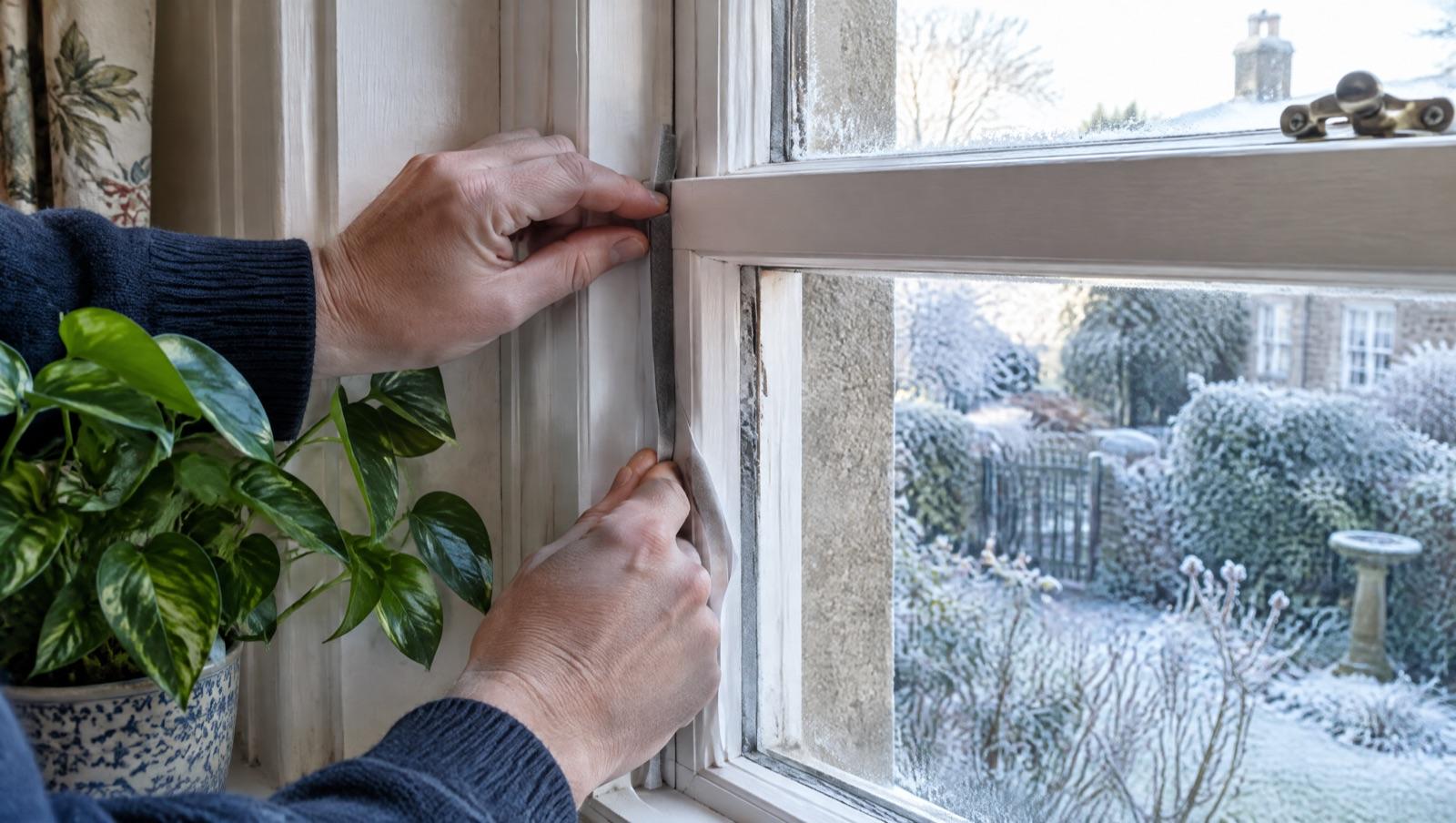
- Draught proofing in the right places. Seal uncontrolled draughts, but keep vents open. See our guide to draught proofing windows and doors.
- Check seals on double glazing. Condensation between the two panes means the sealed unit has failed. The glass unit needs replacing, and wiping won't help.
- Insulation. Cold walls and ceilings attract condensation too. Better insulation keeps surfaces warmer.
When condensation is a sign of something bigger
Get advice if you notice:
- Black mould spots around windows, in corners or behind furniture
- Wet patches that stay on walls or ceilings even when there's no condensation on the windows. That could be a leak or rising or penetrating damp, not condensation.
- A musty smell that doesn't go away
- Rotting window frames
If you rent, tell your landlord in writing about damp and mould. They're responsible for repairs to the structure and for problems caused by disrepair, and Shelter has clear guidance on your rights. Tomorrow's post covers black mould on walls in detail.
Keep your home dry this winter
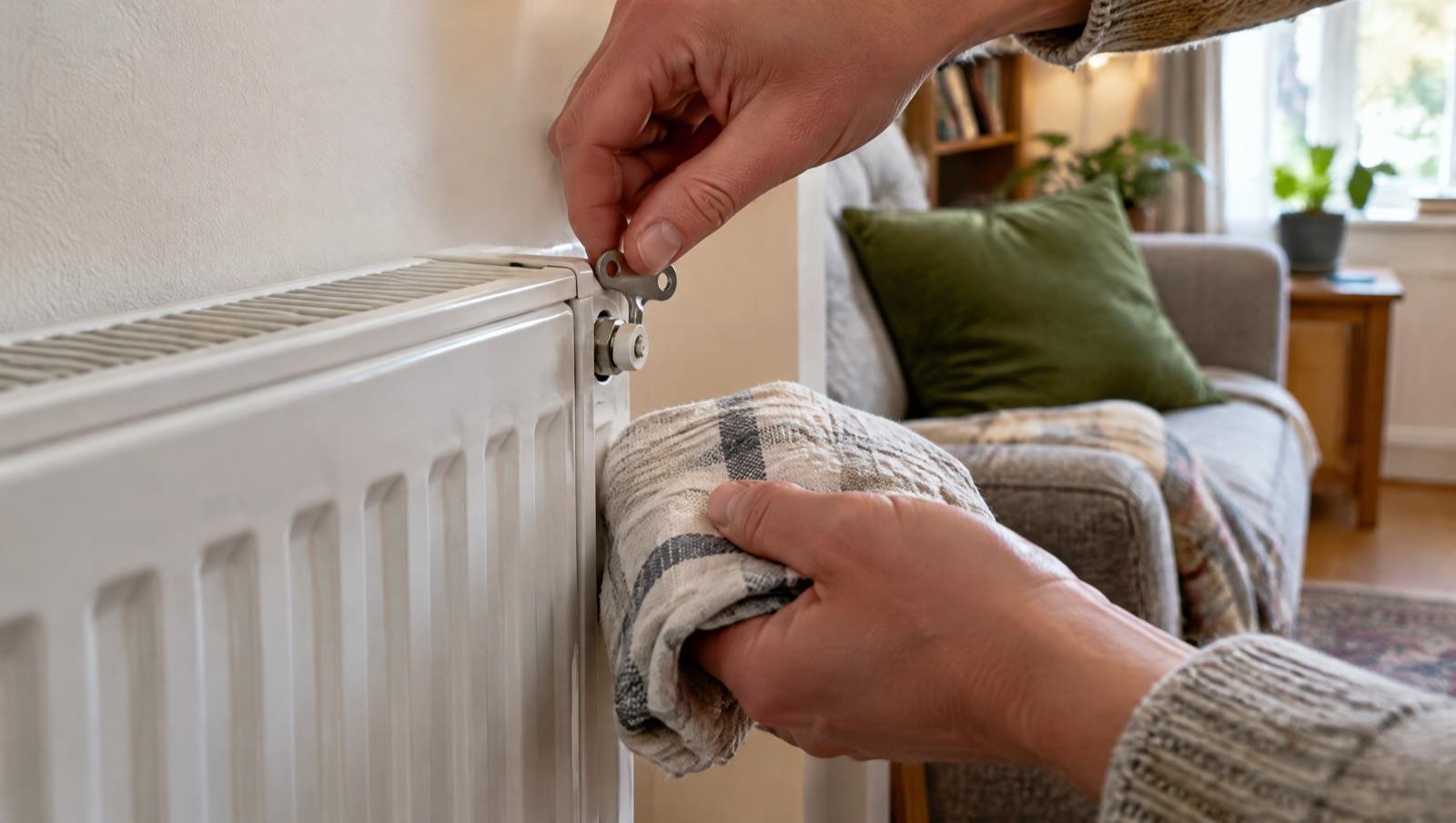
Get the heating working evenly too: see how to bleed a radiator. If you need a fan fixed, seals replaced or a draught sorted, book a pro for minor home repairs on 100Handy.
Need a hand with this?
Book a trusted 100 Handy Pro and get it done today — no hassle, no guesswork.
Book a Pro