Draught Proofing Windows and Doors: A Winter Guide
Draughts make a room feel colder than the thermostat says and let warm air you've paid for escape outside. Draught proofing windows and doors is one of the cheapest ways to make a home feel warmer, and most of it is simple DIY. The Energy Saving Trust recommends it as one of the most cost-effective ways to save energy. This guide shows you how to find draughts, which products to use where, and the ventilation you should never block.
How to find draughts
On a cold, windy day, go round the house and feel for moving air around windows, doors, skirting boards, loft hatches and pipework. A lit incense stick or a strip of tissue held near a gap makes it obvious: the smoke or tissue will move. Common culprits:
- Gaps around opening windows, especially old sash windows
- The bottom of external doors
- Letterboxes and keyholes
- Loft hatches
- Gaps between floorboards and skirting
- Unused chimneys
Draught proofing windows
Casement and uPVC windows
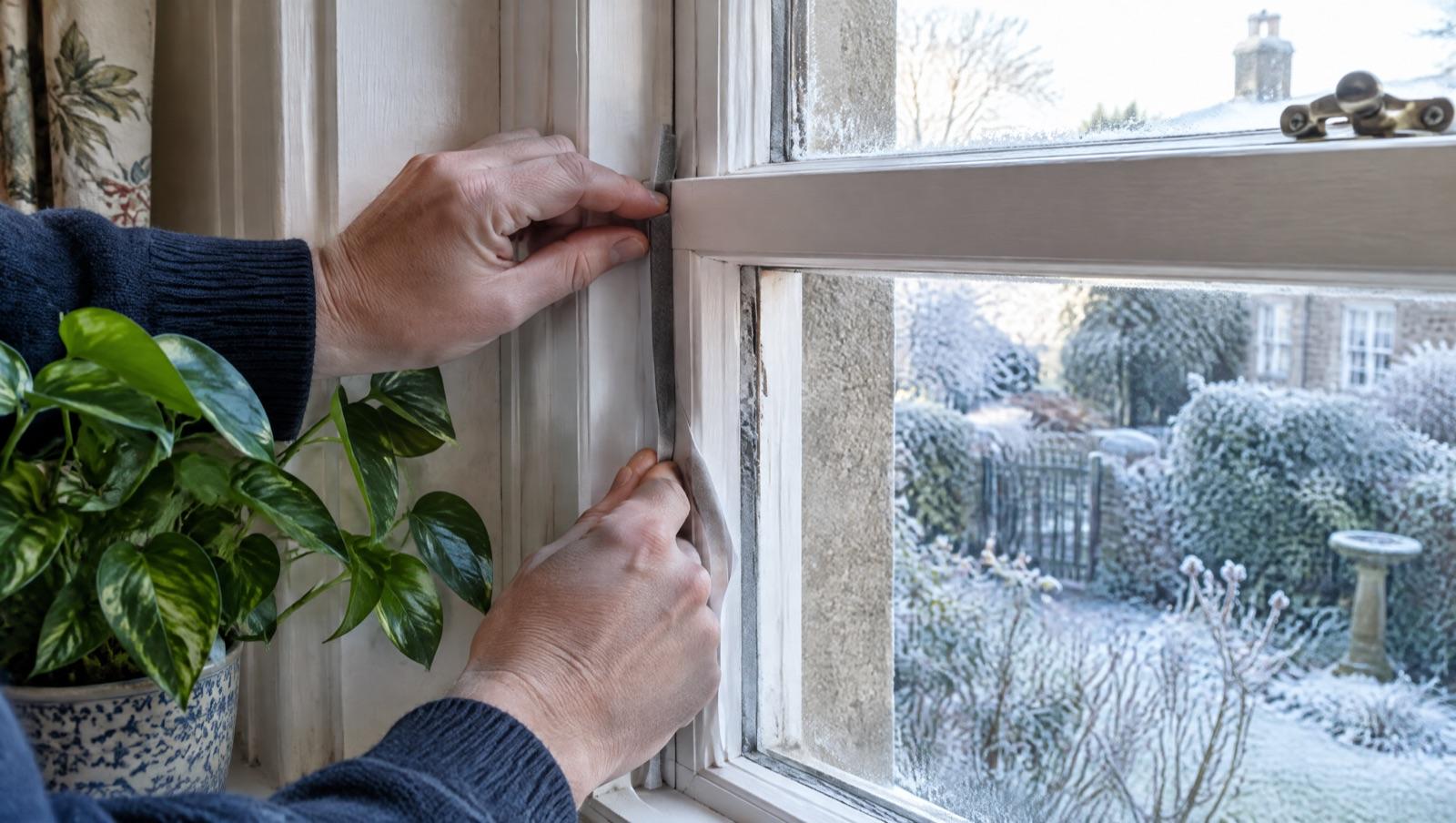
Self-adhesive foam or rubber strips fitted around the frame are the simplest option. Clean and dry the frame first, then press the strip on so the window compresses it when closed. If an existing uPVC seal is perished or flattened, replacement gaskets are often available for your frame.
Sash windows
Sashes are harder because the windows slide. Brush strips fitted into the staff and parting beads let the sash move while blocking air. Specialist sash draught-proofing systems involve removing and refitting the sashes, which is best left to someone experienced. If you live in a listed building or conservation area, check before making changes.
Secondary glazing film
Clear film kits fitted to the inside frame with tape and shrunk with a hairdryer are a cheap seasonal fix, handy for renters. They do mean the window can't be opened until you remove the film.
Draught proofing doors
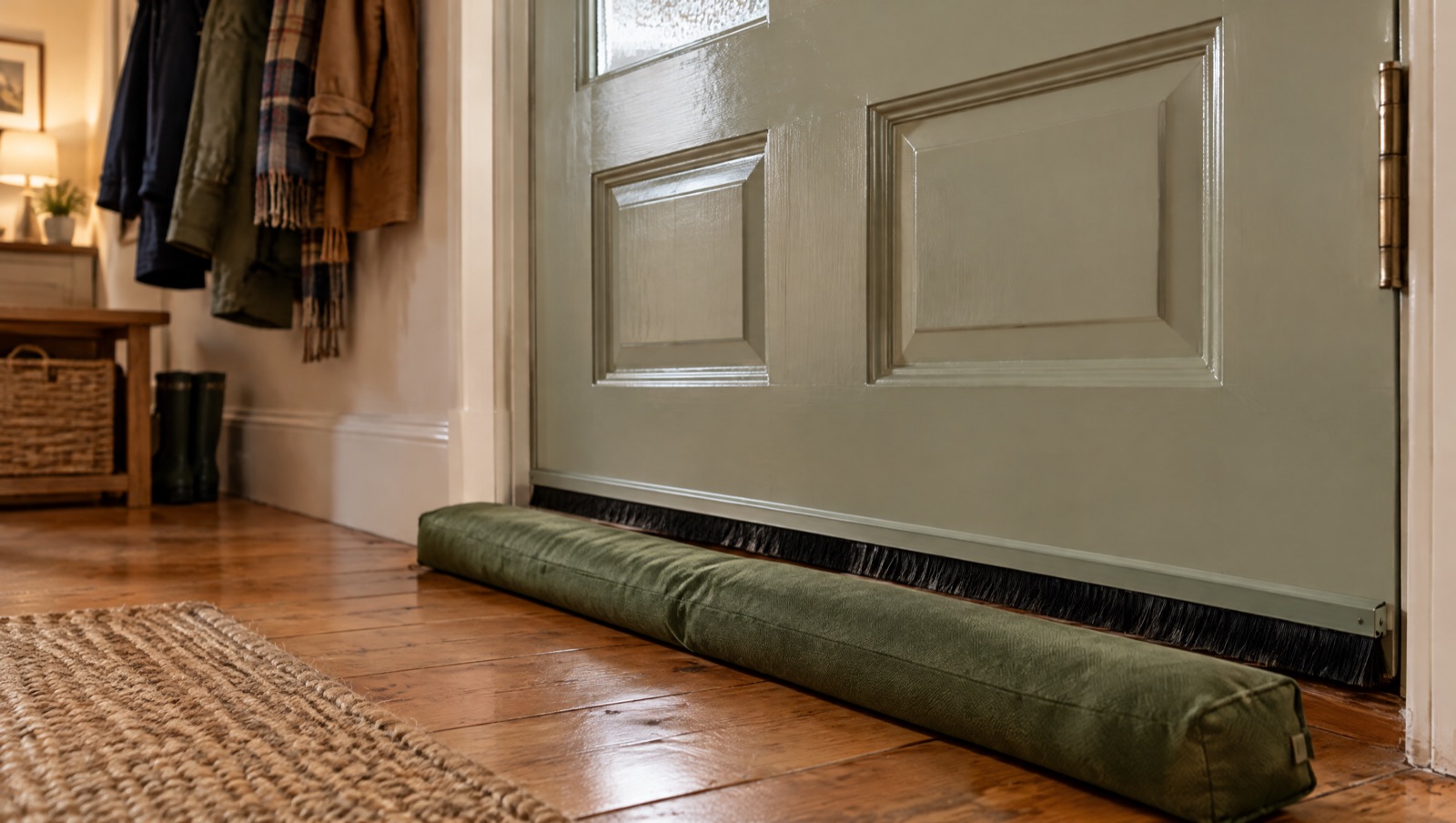
- Bottom of the door: fit a brush or hinged-flap draught excluder to the base. A fabric draught snake on the floor is a no-tools option.
- Around the frame: foam or rubber strips, or a brush or wiper strip on the frame.
- Letterbox: fit a letterbox brush or flap on the inside.
- Keyhole: a simple keyhole cover drops over the hole.
Quick reference: what to use where
| Gap | Product | DIY difficulty |
|---|---|---|
| Casement window frame | Self-adhesive foam or rubber strip | Easy |
| Sash window | Brush strips, or a specialist sash system | Moderate to hard |
| Bottom of door | Brush or flap excluder | Easy to moderate |
| Letterbox | Letterbox brush or flap | Easy |
| Loft hatch | Foam strip around the hatch edge | Easy |
| Floorboard and skirting gaps | Flexible filler or sealant | Moderate |
| Unused chimney | Removable chimney balloon or cap | Easy (balloon) |
Loft hatches, floors and chimneys
Windows and doors get the attention, but other gaps can let in just as much cold air.
Loft hatches
Warm air rises straight into a cold loft through a gappy hatch. A foam strip around the edge of the hatch and a catch that pulls it tight make a big difference. Insulating the top of the hatch board helps too.
Floorboards and skirting
In homes with suspended timber floors, cold air can come up through gaps between boards and under skirting. Flexible fillers or sealant made for floors can close these up. Don't block the air bricks on the outside walls, though, as they ventilate the space under the floor and keep the timbers dry.
Unused chimneys
An open flue you never use is like a permanently open window. A removable chimney balloon or a cap fitted by a professional will stop the draught. Remember to remove the balloon before lighting a fire, and keep some ventilation so the chimney doesn't get damp.
If you rent
Many draught-proofing products are temporary and can be removed when you move out: draught snakes, letterbox brushes, keyhole covers, chimney balloons and window film. For anything that involves screwing into door frames or windows, ask your landlord first. A draughty home can also be a sign of disrepair, such as rotten frames or doors that no longer close properly, which is your landlord's responsibility to fix.
Ventilation you shouldn't block
Draught proofing is about stopping uncontrolled air leaks, not sealing the house completely. Homes need fresh air to stay healthy and dry. Leave these alone:
- Trickle vents in window frames
- Air bricks and wall vents
- Extractor fans in kitchens and bathrooms
- Vents for gas fires, boilers and open-flued appliances. These are vital for safety.
- Rooms with a lot of moisture, which need extra care
If you block ventilation, you risk condensation and mould, and with fuel-burning appliances, carbon monoxide. Make sure you have a working carbon monoxide alarm in any room with a fuel-burning appliance. We cover condensation in tomorrow's post.
Get your home winter-ready
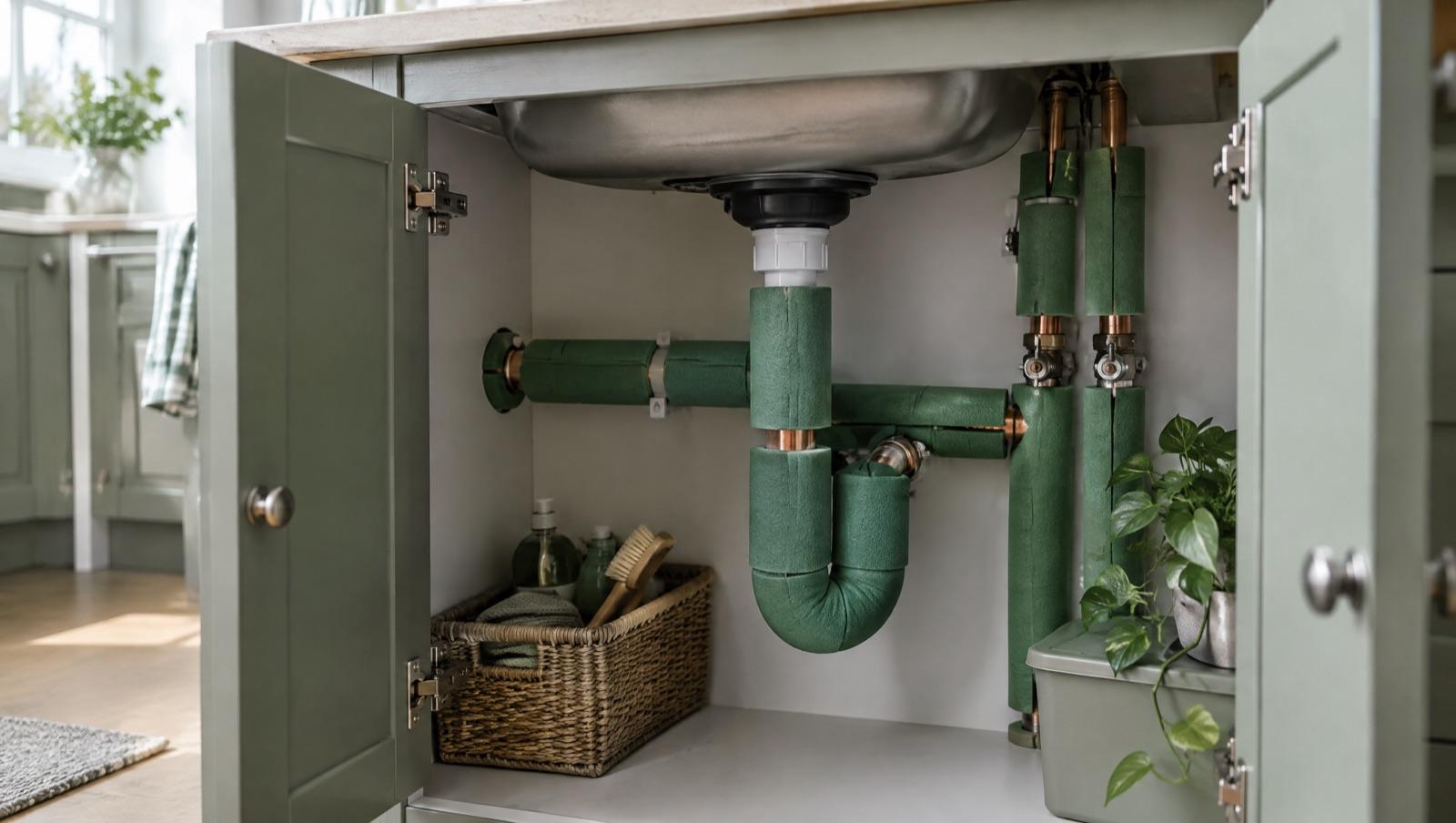
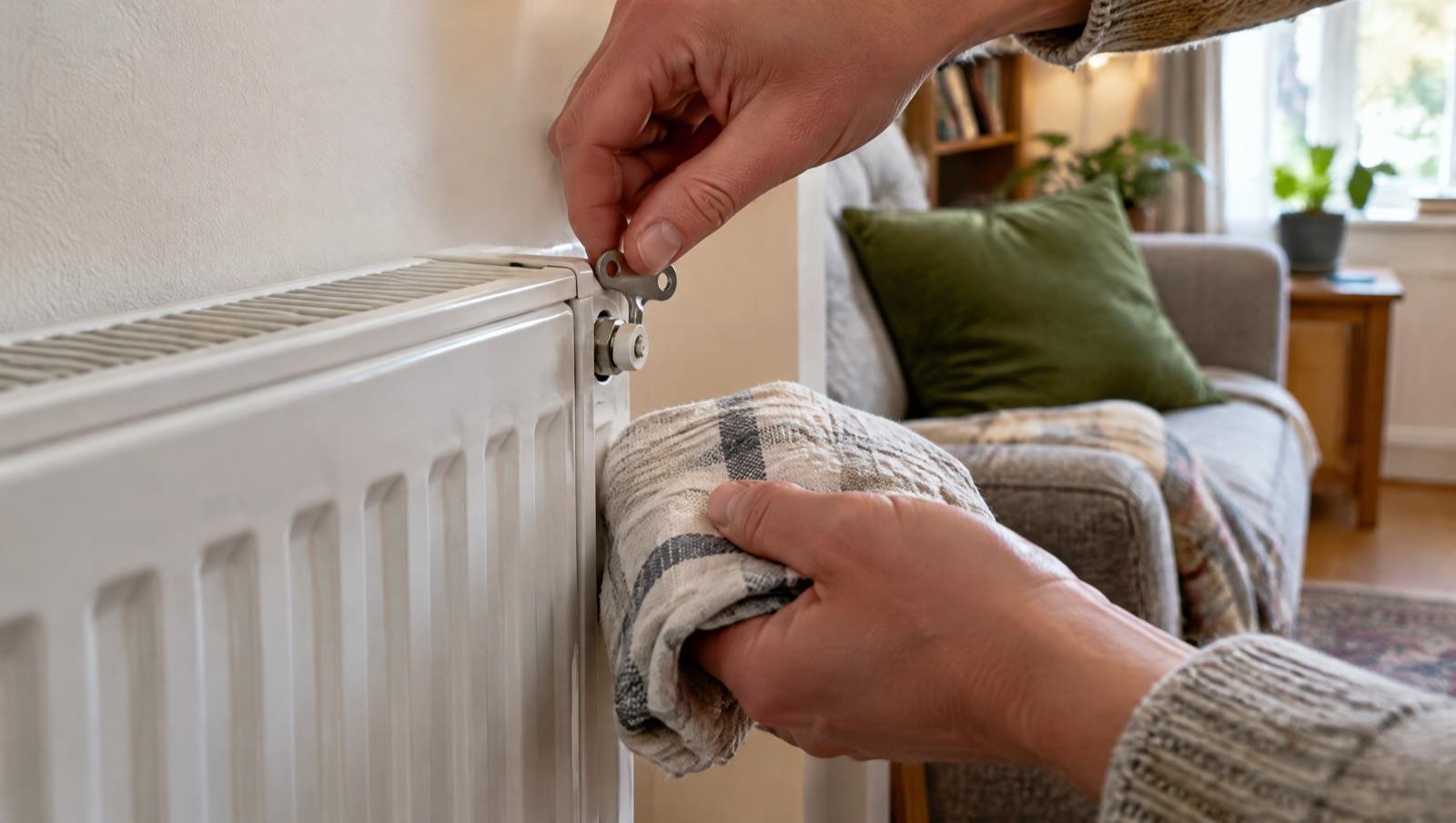
Draught proofing pairs well with other quick winter jobs. See how to stop pipes from freezing and how to bleed a radiator to get your heating working at its best.
Short on time, or got sash windows that need a careful hand? Book a pro for minor home repairs on 100Handy and get those draughts sorted.
Need a hand with this?
Book a trusted 100 Handy Pro and get it done today — no hassle, no guesswork.
Book a Pro